

MBBS (Singapore), MRCP (UK), MMed (Singapore)
11 Heart Symptoms You Should Never Ignore
Heart problems are not always sudden or severe. While chest pain or breathlessness are the most obvious and well-known signs, there are numerous subtle symptoms that could be mistaken for everyday ailments, even when they indicate an underlying cardiovascular condition. This can make it difficult to recognise when a symptom warrants medical attention, particularly if it comes and goes or does not seem serious at first.
Whether you have a family history of cardiovascular issues or simply want to stay proactive about your health, recognising these symptoms early on can help manage the condition effectively and prevent serious complications.
Here are 11 heart-related symptoms to watch for, what they could indicate and when you should seek medical attention.
1. Chest Discomfort
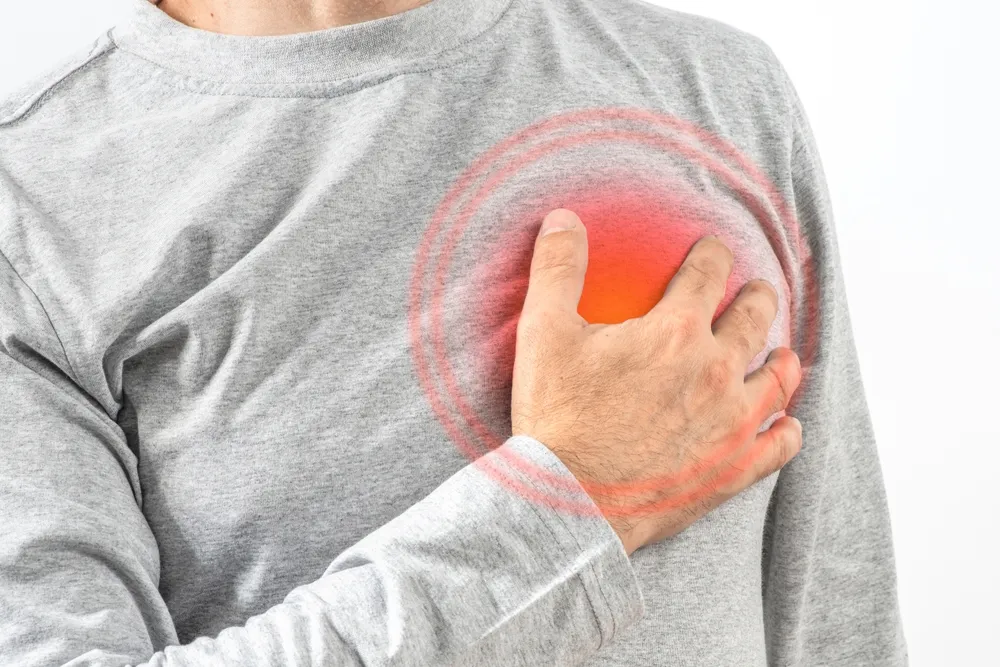
Chest discomfort is one of the most recognisable signs of a heart problem. It does not always feel like the sharp or severe pain that people may associate with heart attacks. Discomfort can also encompass pressure, squeezing, heaviness or tightness across the chest, which may last several minutes or come and go.
Discomfort that develops during physical exertion and improves with rest may suggest angina, which occurs when the heart muscle does not receive enough oxygen-rich blood. However, new or worsening discomfort, particularly when it occurs at rest, may indicate a heart attack or another urgent condition.
2. Nausea and Indigestion
Heart-related discomfort can sometimes resemble digestive problems, causing nausea, indigestion, upper abdominal discomfort or even vomiting. These symptoms may occur during a heart attack and can be particularly easy to overlook when there is little or no accompanying chest pain.
3. Pain That Spreads to the Arm
A heart attack may cause pain or discomfort that extends into one or both arms, particularly the left arm. This happens because pain signals from the heart and surrounding areas share nerve pathways, causing the brain to perceive discomfort in another part of the body.
The sensation may feel like aching, heaviness or pressure rather than a sharp pain. It can occur alongside chest discomfort or, occasionally, without it.
4. Dizziness or Lightheadedness
Feeling dizzy or lightheaded can result from dehydration, sudden changes in posture or other common causes. However, it may also occur when blood pressure drops or the heart cannot maintain adequate blood flow to the brain.
Certain heart rhythm disorders, including abnormally slow or fast heartbeats, can cause episodes of dizziness or near-fainting. Pay particular attention to symptoms that occur during physical activity, arise without an obvious trigger or are accompanied by palpitations. Actual fainting, especially during exertion, requires urgent assessment.
5. Throat or Jaw Pain
Unexplained discomfort in the jaw, throat or neck can occasionally be a warning sign of reduced blood flow to the heart. Unlike localised dental or muscular pain, cardiac-related discomfort may feel like a diffuse ache, tightness or pressure that is difficult to pinpoint.
Although this pain can spread upwards from the chest, it may also occur without noticeable chest discomfort.
6. Unexplained Fatigue
Extreme tiredness that lasts for several days may be a sign of heart disease. You may feel easily winded or exhausted after activities that used to feel manageable, such as climbing stairs or carrying groceries.
This can happen when the heart is not pumping blood efficiently. As the body prioritises blood flow to vital organs, other areas may receive less oxygen-rich blood, leaving you feeling unusually drained. Unusual fatigue can also precede or accompany a heart attack, particularly in women. If your energy levels have changed significantly without an apparent explanation, a medical assessment can help establish the cause.
7. Snoring
Occasional snoring is common and does not necessarily indicate a health problem. However, loud, persistent snoring accompanied by choking, gasping or pauses in breathing during sleep may suggest obstructive sleep apnoea.
This condition causes repeated interruptions in breathing, leading to fluctuations in oxygen levels and increased strain on the cardiovascular system. Over time, untreated sleep apnoea is associated with conditions such as high blood pressure, arrhythmias and heart failure.
Because these breathing interruptions occur during sleep, they are often noticed by a partner before the affected person becomes aware of them. Daytime sleepiness and waking with headaches may provide additional clues.
8. Unexplained Sweating
Suddenly breaking out in a cold, clammy sweat without physical exertion or exposure to heat can be a warning sign of a heart attack. It may occur when the body's stress response is activated during an acute cardiac event.
This sweating may be particularly concerning when it develops alongside chest pressure, nausea, dizziness or breathlessness. Unlike ordinary perspiration, it can appear abruptly while you are resting or carrying out a light activity. Some people describe this sensation as an unexplained pang of anxiety, or ‘impending doom’.
9. Chronic Coughing
A persistent cough is more commonly associated with respiratory conditions, allergies or medication side effects. However, it can sometimes develop in people with heart failure when increased pressure in the blood vessels of the lungs contributes to fluid accumulation.
Heart-related coughing may worsen when lying flat or occur alongside breathlessness, fatigue and swelling in the legs. Some people develop a persistent dry cough, while others may produce frothy sputum.
A cough accompanied by worsening breathlessness should be assessed promptly. Pink, frothy sputum with severe difficulty breathing may indicate acute pulmonary oedema, which is a medical emergency.
10. Swollen Legs, Feet and Ankles
Swelling in the legs, feet or ankles, known as oedema, can develop when excess fluid accumulates in the body's tissues. In heart failure, reduced pumping efficiency and changes in the body's fluid regulation can contribute to this build-up.
You may notice that your shoes feel tighter towards the end of the day or that pressing on the swollen area leaves a temporary indentation. Swelling associated with heart failure often affects both legs and may occur alongside breathlessness, unusual fatigue or rapid weight gain.
11. Irregular Heartbeat
It is normal for your heart to beat faster when you are nervous, excited or physically active. However, if your heartbeat feels irregular, fluttering or unusually fast for more than a few seconds, or if this happens often, it may be a sign of an arrhythmia.
While some palpitations are harmless, persistent or recurring irregular heartbeats should be checked, as they may be linked to conditions such as atrial fibrillation that require medical attention.
Repeated episodes, especially those occurring without an obvious trigger, may warrant an ECG or heart rhythm monitoring. Palpitations accompanied by fainting, chest pain or severe breathlessness require immediate medical attention.
Seeking Further Clarity for Heart Symptoms With Dr Ang Teck Kee
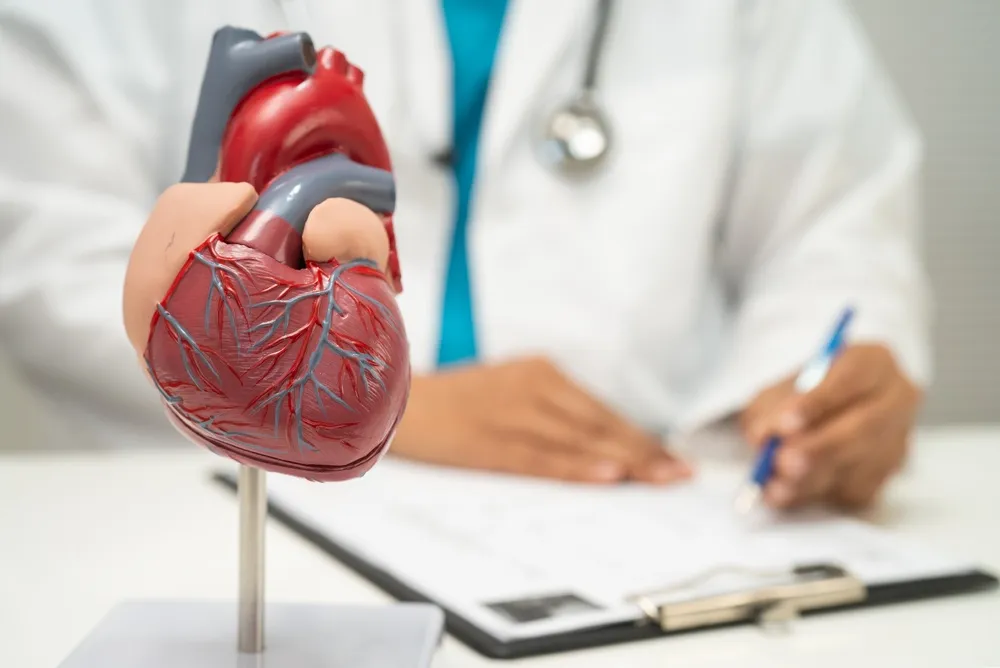
Recognising possible warning signs of heart disease can help you seek medical attention before symptoms worsen or complications develop. Even when symptoms appear mild or occur intermittently, a medical assessment can help establish whether they are related to an underlying cardiovascular condition and whether treatment is necessary.
At Ace Cardiology Clinic, Cardiologist Dr Ang Teck Kee provides assessment and care for patients experiencing possible heart-related symptoms. He takes into account your symptoms, medical history and cardiovascular risk factors when determining which cardiac tests may be appropriate, with treatment tailored to the findings and your individual needs.
If you are experiencing persistent or recurring symptoms that may be related to your heart, schedule a consultation for further assessment and guidance on the next steps in your care.
Meet Our Doctor
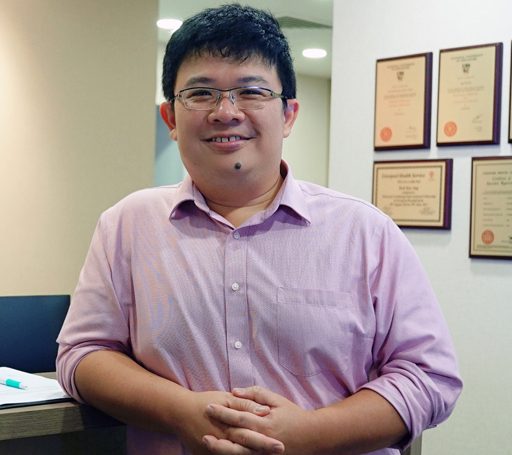
Dr Ang Teck Kee
Cardiologist
M.B.B.S (Singapore), MRCP (UK), M.Med (Singapore)
Dr Ang Teck Kee is a dedicated cardiologist with 20 years of experience in interventional cardiology. He has performed over 3,000 invasive coronary angiographies and percutaneous coronary interventions. Dr Ang takes a patient-centred approach, creating personalised treatment plans tailored to each individual's needs. His commitment extends beyond the clinic, as he actively contributes to medical research, serving as a co-investigator in numerous international and local clinical trials.
More about Dr Ang
3 Mount Elizabeth, #17-18
Mount Elizabeth Medical Centre
Singapore 228510

Mon to Fri: 9:00am–5:00pm
Sat: 9:00am-12:00pm
Sun & PH: Closed

Tel: 6235 7536 | 9155 2942
Fax: 6235 7598
info@acecardiologyclinic.com
Please note: Our clinic only accepts patients aged 16 and above.
Need help or wish to make an appointment? Call or send a message to our team, or request a callback at your convenience.
Call us at +65 9155 2942. We look forward to hearing from you.
