


MBBS (Singapore), MRCP (UK), MMed (Singapore)
Can You Exercise Safely with Heart Disease?
Being diagnosed with heart disease can be life-altering, leaving many people unsure of how much physical activity is safe and making exercise a source of anxiety. Yet, exercise is crucial for the upkeep of one's health, for those with or without heart disease alike. While some forms of exercise may place excessive strain on the body, others can help support heart function and are often encouraged.
Individuals with heart disease are advised to undergo appropriate cardiac assessments before starting or changing an exercise programme. These assessments help doctors determine what level of activity is suitable and whether any precautions are needed. Two commonly used tests are the treadmill electrocardiogram (ECG) and the echocardiogram, which provide different insights into cardiac health and exercise suitability.
Can I Exercise if I Have Heart Disease?
In many cases, people with heart disease can and should exercise. Staying active can help strengthen the heart muscle, lower blood pressure, and improve cardiovascular fitness. However, the type, intensity, and duration of exercise that is safe will depend on the specific heart condition, its severity, and whether symptoms are well controlled. Before starting or changing an exercise routine, patients should consult their doctor or cardiologist for personalised advice.
Because exercise tolerance and cardiovascular risk vary from person to person, doctors may recommend tests such as a treadmill ECG or echocardiogram to assess how well the heart functions and determine whether any precautions are needed before exercising.
How Does a Treadmill ECG Assess My Suitability for Exercise?
A treadmill electrocardiogram (ECG), also known as an exercise stress test, helps doctors assess how your heart responds to physical exertion. During the test, electrodes are placed on your chest to monitor your heart's electrical activity while you walk on a treadmill. As the speed and incline gradually increase, your heart rate, blood pressure, symptoms, and ECG readings are closely monitored.
The test can provide valuable information about your cardiovascular health and help determine whether any precautions are needed before exercising. It can assess:
Exercise Capacity
The test measures how much physical activity your body can tolerate before symptoms develop. This helps doctors recommend an appropriate exercise intensity and duration based on your fitness level and heart condition.
Reduced Blood Flow to the Heart (Ischaemia)
Changes in the ECG tracing during exercise may indicate that parts of the heart muscle are not receiving enough oxygen-rich blood, which can suggest underlying coronary artery disease. Depending on the findings, doctors may recommend modifying exercise intensity or undertaking further assessment before participating in strenuous activities.
Abnormal Heart Rhythms (Arrhythmias)
Exercise can sometimes trigger irregular heartbeats that may not be present at rest. The test can identify rhythm disturbances that could affect exercise safety.
Blood Pressure Response to Exercise
Monitoring blood pressure during physical activity helps determine whether it rises appropriately or shows abnormal patterns that may indicate cardiovascular problems.
Exercise-Induced Symptoms
The test allows doctors to assess symptoms such as chest pain, shortness of breath, dizziness, or excessive fatigue and determine whether they are related to the heart.

How Does an Echocardiogram Assess My Suitability for Exercise?
An echocardiogram is an ultrasound scan of the heart that allows doctors to assess its structure and function in real time. During the procedure, a handheld device called a transducer is placed on the chest, where it uses sound waves to create detailed images of the heart chambers, valves, and blood flow. The test is painless, non-invasive, and can provide valuable information about whether the heart is functioning well enough to safely tolerate physical activity.
An echocardiogram can help assess exercise suitability by identifying several heart conditions and structural abnormalities that may affect exercise tolerance and safety, including:
Heart Pumping Function (Ejection Fraction)
The scan measures how effectively the heart pumps blood around the body. Reduced pumping function may indicate heart failure or weakened heart muscle, which can affect the type and intensity of exercise that is safe.
Heart Valve Disorders
An echocardiogram can detect narrowed (stenotic) or leaking (regurgitant) heart valves. Significant valve disease may require exercise modifications, particularly for high-intensity activities that place additional strain on the heart.
Heart Chamber Enlargement
The test can identify enlargement of the heart's chambers, which may occur due to high blood pressure, heart failure, or other cardiac conditions. The extent of enlargement can influence exercise recommendations.
Cardiomyopathy
Echocardiography can detect abnormalities in the heart muscle, such as thickening, enlargement, or weakening. Certain forms of cardiomyopathy may increase the risk of exercise-related complications and require careful assessment before participating in strenuous activities.
Congenital Heart Abnormalities
Structural heart defects present from birth can often be identified or monitored using an echocardiogram. The findings help determine whether exercise restrictions or special precautions are necessary.
Blood Flow Assessment
Doppler imaging, which is commonly performed as part of an echocardiogram, allows doctors to assess blood flow through the heart and major blood vessels. Abnormal flow patterns may indicate underlying cardiovascular issues that could affect exercise safety.
Pulmonary Hypertension
The scan can provide clues about elevated pressure in the blood vessels supplying the lungs. Individuals with significant pulmonary hypertension may require tailored exercise programmes and closer medical supervision.
Live Heartily with Personalised Cardiac Care from Dr Ang Teck Kee
Exercise plays an important role in maintaining cardiovascular health. While physical activity is often encouraged for people with heart disease, it is equally important to ensure that the type and intensity of exercise are appropriate for your condition. Cardiac assessments such as treadmill ECGs and echocardiograms can provide valuable insights into your heart health and help guide safe exercise recommendations.
At Ace Cardiology, we offer a full spectrum of diagnostic and treatment solutions, ready to address problems from the ordinary to the rare. Led by cardiologist Dr Ang Teck Kee, who has over 20 years of clinical experience in handling heart issues both large and small, we are dedicated to serving you with expertise and precision. If you have been trying to get back on your feet after being diagnosed with heart disease, schedule a consultation with us to discuss how we can help you live healthily and confidently.
FAQs about Exercising with Heart Disease
Can people with heart disease exercise safely?

What types of exercise are generally recommended for people with heart disease?
Are there any exercises that people with heart disease should avoid?
Can I exercise if my treadmill ECG or echocardiogram shows abnormalities?
How often should heart disease patients have their exercise suitability assessed?
Meet Our Cardiologist in Singapore
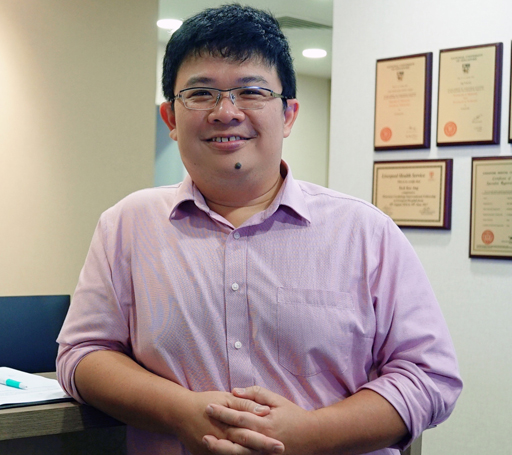
Dr Ang Teck Kee
Cardiologist
M.B.B.S (Singapore), MRCP (UK) M.Med (Singapore)
With over 2 decades in the healthcare service, cardiologist Dr Ang Teck Kee has worked with patients both local and international to design ideal treatments that would best support their heart health. Having performed over 3,000 invasive coronary angiography and percutaneous coronary intervention procedures, Dr Ang's specialities lie in complex coronary intervention and stroke prevention in at-risk cardiac patients with abnormal heart rhythms. Passionate about advancements in cardiology treatment, he is actively involved in clinical research and various clinical trials.
Outside of Ace Cardiology, Dr Ang commits himself to being an educator. As a visiting consultant and interventional cardiologist at Khoo Teck Puat Hospital (KTPH) as well as having taught at both the Lee Kong Chian School of Medicine and Yong Loo Lin School of Medicine, he nurtures the younger generation of doctors. With many appointments in KTPH, from being the lead of the cardiology department's Continuous Medical Education (CME) lead to the Chairman of the Anti-thrombotic Workgroup (ATWG), Dr Ang has made a name for himself in Singapore's cardiology community.
read more
3 Mount Elizabeth, #17-18
Mount Elizabeth Medical Centre
Singapore 228510

Mon to Fri: 9:00am–5:00pm
Sat: 9:00am-12:00pm
Sun & PH: Closed

Tel: 6235 7536 | 9155 2942
Fax: 6235 7598
info@acecardiologyclinic.com
Need Help or Make an Appointment.
We will be delighted to assist you today. Call or send a message to the Heart team. You can also have us call you back at your convenience.
So please call us at +65 9155 2942. We look forward to hearing from you.
