

MBBS (Singapore), MRCP (UK), MMed (Singapore)
Why Heart Screening Matters Even If You Are Fit and Active
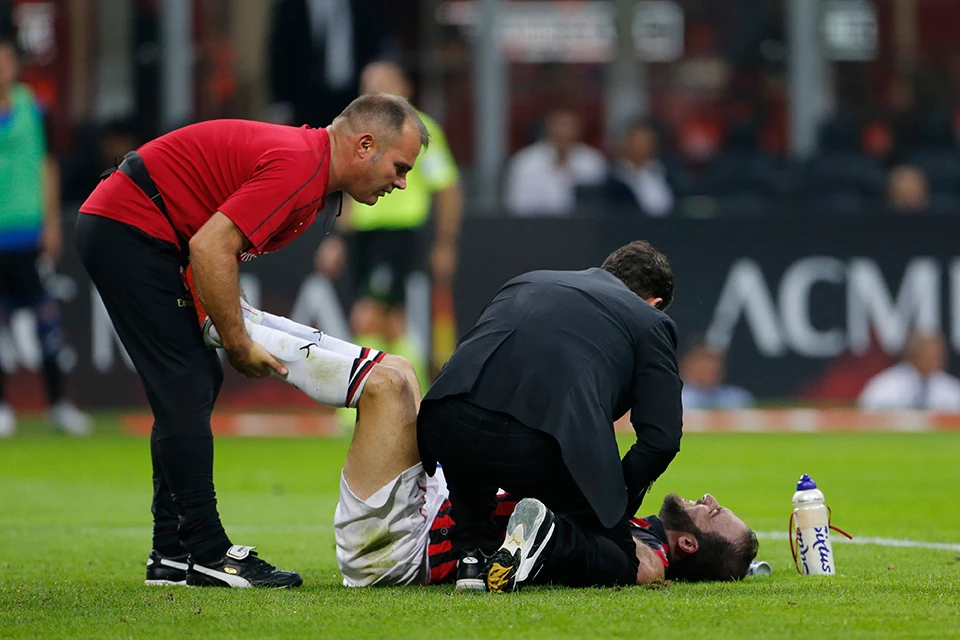
Every four years, the FIFA World Cup showcases athletes performing at the highest level, demonstrating remarkable speed, endurance and physical conditioning. While watching these performances, it is easy to assume that someone who appears exceptionally fit must also have a healthy heart. However, physical fitness and athletic performance do not always rule out underlying heart disease. Certain cardiac conditions can remain silent for years and may only become apparent during intense physical exertion, even in people with no obvious symptoms.
This is where heart screening can play an important role, helping to identify potential concerns before symptoms develop and providing a clearer understanding of your overall heart health.
Could You Have a Heart Condition Without Knowing It?
Many people assume that maintaining a healthy weight, exercising regularly and performing well in sports automatically means their heart is in excellent condition. While these habits significantly reduce the risk of many cardiovascular diseases, they cannot eliminate the possibility of underlying heart abnormalities.
During strenuous physical activity, the increased demands on the heart may uncover a previously silent condition, causing symptoms such as chest discomfort, unusual breathlessness, dizziness or palpitations. In rare but serious cases, the first sign may even be a sudden collapse or cardiac arrest.
Recognising these warning signs early is essential, as prompt medical assessment can help identify and manage the underlying cause.
Some Heart Conditions Can Remain Silent for Years
Many potentially serious heart conditions produce few or no symptoms during everyday life. Individuals may continue exercising, participating in competitive sports or maintaining an active lifestyle without realising that an underlying problem exists.
Examples of conditions that may remain undetected include:
- Hypertrophic cardiomyopathy
- Certain inherited heart rhythm disorders
- Congenital structural heart abnormalities
- Early coronary artery disease in individuals with risk factors
Because these conditions may not cause warning signs initially, relying solely on how fit you feel or how well you perform physically is not always enough to assess your heart health.
Why Symptoms May Only Appear During Intense Physical Activity
Many heart conditions remain silent at rest because the heart is able to meet the body's oxygen and blood flow requirements under normal circumstances. During intense physical activity, however, the heart must work harder by increasing its heart rate, pumping more blood and supplying more oxygen to the muscles. This increased workload can expose underlying problems that are not noticeable during everyday activities.
Depending on the underlying condition, exercise may temporarily reduce blood flow to the heart muscle, trigger abnormal heart rhythms or place additional stress on weakened areas of the heart. As a result, symptoms may only develop when the cardiovascular system is under greater demand. This is why some individuals experience warning signs only during strenuous exercise, even if they feel well at rest.
Who Should Consider Cardiac Screening?
Cardiac screening may be especially important if you:
- Exercise intensely or take part in competitive sports
- Have chest pain, breathlessness, palpitations, dizziness or fainting during exercise
- Have a family history of sudden cardiac death or inherited heart disease
- Have high blood pressure, high cholesterol, diabetes or a history of smoking
- Are returning to exercise after a long break or increasing training intensity
Even if you feel well, health screening can provide useful insight into your cardiovascular risk and guide safer decisions about exercise.
How Cardiac Screening Helps Detect Risks Before Symptoms Appear
Cardiac screening plays an important role in identifying heart conditions that may not cause obvious symptoms in the early stages. For fit and active individuals, this can be especially valuable because good physical performance may create a false sense of reassurance.
A structured health screening helps assess how your heart is functioning, whether there are rhythm abnormalities and whether you have risk factors that may require closer monitoring. This allows potential concerns to be identified earlier, before they lead to complications during exercise or daily life.
What Cardiac Screening May Involve
The tests recommended may vary depending on your age, symptoms, family history and activity level. A cardiac health screening may include:
- Blood pressure measurement
- Cholesterol and diabetes screening
- Electrocardiogram, also known as ECG
- Exercise treadmill test
- Echocardiogram
- CT coronary calcium score, where appropriate
These tests help doctors assess different aspects of heart health, from heart rhythm and structure to cardiovascular risk factors.
The Benefits of Cardiac Screening for Long-Term Heart Health
Cardiac screening is not only for people with symptoms or known heart disease. It is a proactive way to better understand your cardiovascular health and identify potential concerns before they become more serious. Whether you are an elite athlete, a regular gym-goer or simply committed to staying active, cardiac screening can provide valuable information about your heart and help guide decisions that support long-term health and safe participation in physical activity.
Detecting Heart Problems Before Symptoms Develop
Many heart conditions develop gradually and may not produce noticeable symptoms until they have progressed or are triggered by intense physical exertion. Early detection allows doctors to recommend appropriate follow-up, lifestyle changes or treatment where necessary. It also provides an opportunity to reduce the risk of serious complications such as heart attacks, abnormal heart rhythms or sudden cardiac events.
Why Early Detection Matters
Finding a heart condition early can help you take steps to manage risk before a serious event occurs. Depending on the results, your doctor may recommend lifestyle changes, medication, further testing or a tailored exercise plan.
For active individuals, cardiac screening is not about discouraging exercise. Instead, it helps ensure that physical activity is done safely and with a clearer understanding of your heart health.
Personalising Your Heart Health Risk Assessment
No two individuals share the same level of cardiovascular risk. Even people with similar fitness levels may have different risk profiles based on factors such as age, family history, medical conditions and lifestyle habits.
Cardiac screening provides a more personalised assessment by combining information from your medical history, physical examination and appropriate diagnostic tests. This helps your doctor better understand your individual risk and recommend preventive strategies that are tailored to your needs rather than relying on a one-size-fits-all approach.
Supporting Safe Exercise and Active Living
Regular physical activity remains one of the most effective ways to maintain heart health, and cardiac screening is designed to support rather than discourage an active lifestyle.
By understanding how your heart responds to exercise and whether any underlying conditions require attention, you can exercise with greater confidence and peace of mind. For individuals who participate in competitive sports or high-intensity training, screening may also help determine whether additional evaluation or temporary activity modifications are appropriate.

Get Proactive Cardiac Screening at ACE Cardiology Clinic
Being fit and active is an important part of maintaining good health, but it does not guarantee that
your heart is free from underlying conditions. Some cardiac conditions can remain silent until they
are triggered by intense physical activity, making early detection an important part of preventive
healthcare. A personalised cardiac health screening can provide valuable insight into your
cardiovascular health, helping you identify potential risks and make informed decisions about your
long-term wellbeing.
At Ace Cardiology Clinic, we believe prevention is
just as important as treatment. Our comprehensive health screening programmes include personalised
cardiac assessments designed to identify potential heart conditions and cardiovascular risk factors
based on your individual health profile.
Care is led by our cardiologist, Dr Ang Teck Kee
, who takes a patient-centred approach to cardiac screening, helping patients understand
their heart health and recommending appropriate investigations or preventive strategies where
needed. If you would like to take a proactive approach to protecting your heart, book an appointment to discuss whether cardiac
screening is right for you.
Frequently Asked Questions (FAQs) About Cardiac Screening
Can cardiac screening detect inherited heart conditions?

Can a normal health screening detect every heart condition?
What should I do if my cardiac screening results are abnormal?
Do I need to prepare before a cardiac screening appointment?
Can I continue exercising if I am waiting for a cardiac screening?
Meet Our Heart Screening Specialist in Singapore
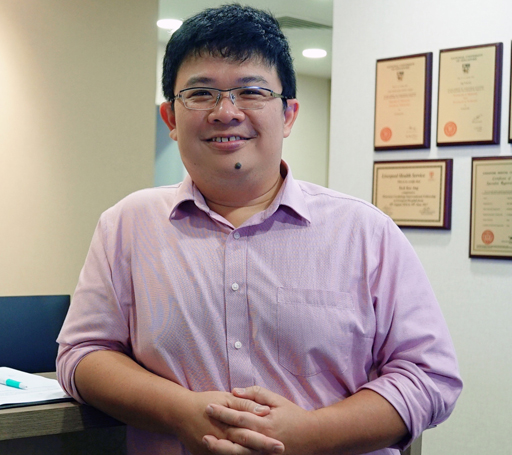
Dr Ang Teck Kee
Cardiologist
MBBS (Singapore), MRCP (UK), MMed (Singapore)
Dr Ang Teck Kee is an established cardiologist in Singapore with over 20 years of clinical experience. Fluent in English, Mandarin and various dialects, he cares for both local and international patients, providing personalised assessments and evidence-based management to support long-term cardiovascular health.
Dr Ang believes that early detection plays a vital role in preventing heart disease. He incorporates modern diagnostic technologies and comprehensive cardiac screening into his practice to identify cardiovascular risk factors and hidden heart conditions before they become more serious.
read more
3 Mount Elizabeth, #17-18
Mount Elizabeth Medical Centre
Singapore 228510

Mon to Fri: 9:00am–5:00pm
Sat: 9:00am-12:00pm
Sun & PH: Closed

Tel: 6235 7536 | 9155 2942
Fax: 6235 7598
info@acecardiologyclinic.com
Please note: Our clinic only accepts patients aged 16 and above.
Need help or wish to make an appointment? Call or send a message to our team, or request a callback at your convenience.
Call us at +65 9155 2942. We look forward to hearing from you.
